How to Get Kids to Do Things Without Constant Reminders
How to Get Kids to Do Things Without Constant Reminders
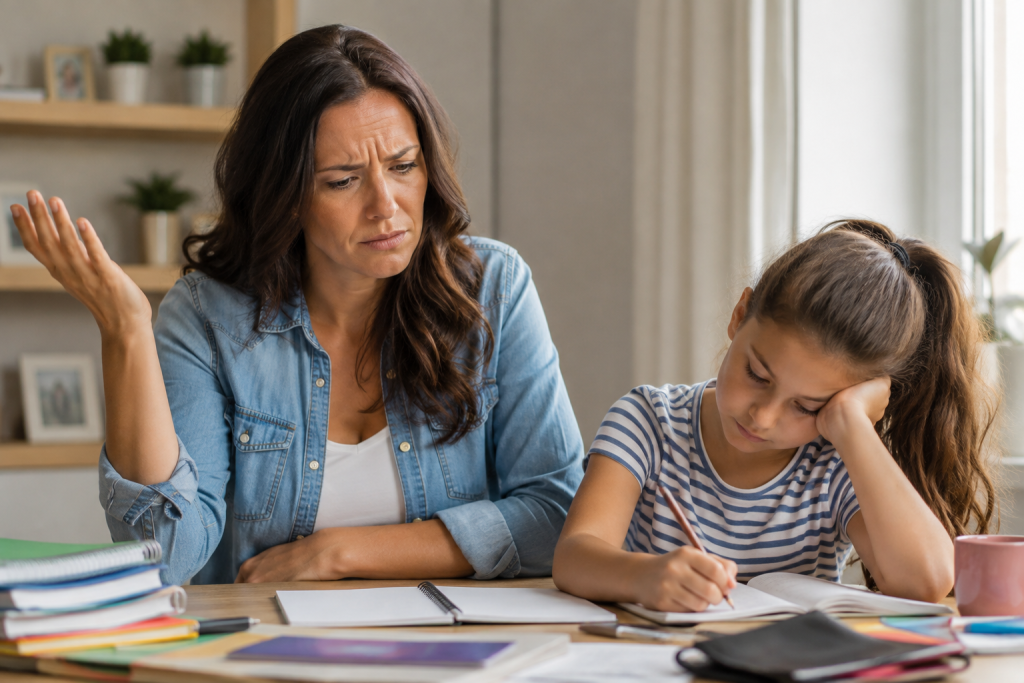
“How many times do I have to tell you?”
If you’ve ever found yourself repeating those words before school, before dinner, or before bedtime, you’re definitely not alone.
Parents often feel like they spend their entire day reminding their children to brush their teeth, put away their shoes, finish homework, feed the dog, or simply listen for the first time.
The frustrating part isn’t the task itself.
It’s feeling like you have to be your child’s personal alarm clock every single day.
But here’s the good news:
Most kids don’t ignore directions because they’re lazy. They simply haven’t developed the habits, focus, and self-discipline that help them take ownership of responsibilities.
The goal isn’t to become better at reminding them.
The goal is to help them stop needing so many reminders.
Why Constant Reminders Don’t Work
Every reminder teaches your child something.
If you’re always the one remembering everything, your child doesn’t have to.
Over time, they begin relying on you to manage their responsibilities instead of learning to manage them themselves.
Instead of asking:
“Why won’t my child listen?”
Try asking:
“How can I help my child become more responsible?”
That small shift changes everything.
Five Ways to Reduce the Constant Reminding
- Give One Clear Instruction
Avoid stacking several directions together.
Instead of saying:
“Get your shoes on, grab your backpack, brush your teeth, and hurry up!”
Try:
“Please put your shoes on.”
Once that’s finished, move to the next step.
Children respond much better when expectations are simple and specific.
- Let Natural Consequences Teach
If your child forgets their water bottle after you’ve reminded them once, resist the urge to rescue them every time.
Experiencing small consequences helps children remember far better than repeated lectures.
Of course, use common sense and keep safety first, but don’t remove every opportunity for them to learn responsibility.
- Build Routines Instead of Battles
Kids thrive on routines.
When brushing teeth, packing backpacks, or completing homework happens at the same time every day, it becomes a habit instead of a negotiation.
Habits require far less reminding than decisions.
- Praise Responsibility More Than Results
Instead of only celebrating good grades or winning games, recognize responsible behavior.
Try saying:
“I noticed you put your backpack away without being asked.”
“Thank you for taking care of your chores on your own.”
Children naturally repeat the behaviors that receive positive attention.
- Teach Self-Discipline
Self-discipline isn’t something children magically develop as they get older.
It’s a skill.
Like reading, riding a bike, or learning math, it must be practiced consistently.
When children learn to follow instructions, stay focused, and finish what they start, reminders gradually become less necessary because responsibility begins to come from within.
Confidence Plays a Bigger Role Than Most Parents Realize
Many parents are surprised to learn that confidence and responsibility go hand in hand.
Confident children are more willing to take ownership of their actions because they believe they can succeed.
Children who doubt themselves often wait to be told what to do next.
That’s why developing confidence, focus, respect, and self-discipline together creates lasting change.
These aren’t just school skills.
They’re life skills.
The Goal Isn’t Perfect Kids
No child is going to remember everything all the time.
Even adults forget things.
The goal isn’t perfection.
The goal is raising children who gradually need fewer reminders because they’ve learned to become responsible for themselves.
That doesn’t happen overnight.
It happens through consistent practice, positive expectations, and environments that reinforce personal responsibility every single week.
At Krav Maga Martial Arts, these are the same qualities we intentionally develop in every class. Through structured training, students practice listening the first time, following directions, showing respect, staying focused, and taking responsibility for their actions.
Those lessons don’t stay on the training floor.
Parents often tell us they begin noticing them at home, at school, and in everyday life.
Because when children learn self-discipline, parents spend less time reminding-and more time watching them grow.